

What is the purpose of supervising and managing power quality?
Release time:
2021-11-12
The quality of electric power is directly related to the supply safety and quality of the power system. Exceeding the standards of electric power quality, regardless of which parameter is exceeded, may cause abnormal operation of electrical equipment. In severe cases, it may even damage the equipment and bring many hazards.
The quality of electric power is directly related to the safety and quality of power supply in the power system. Exceeding the standards of electric power quality, regardless of which parameter is exceeded, may cause abnormal operation of electrical equipment, and in severe cases, it may even damage the equipment, leading to many hazards.
The purpose of electric power quality supervision and management is to ensure that the electric power quality indicators of the public power grid are within the limits specified by national standards through the supervision and management of the three parties: generation, supply, and consumption of electricity, in order to guarantee the normal production and product quality of various industries in the national economy as well as the quality of life of the people.
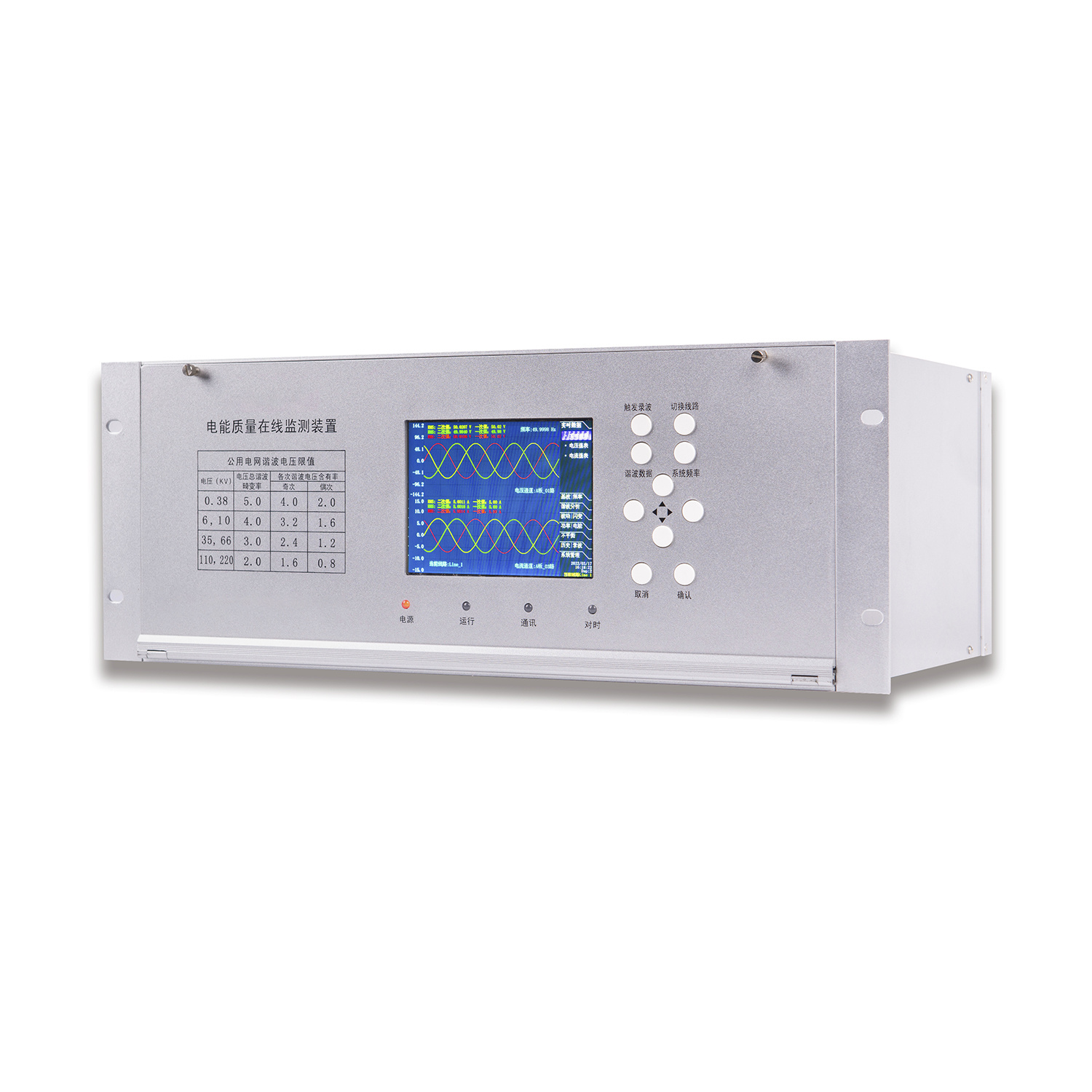
Electric power quality monitoring is an important link in solving electric power quality issues. The technology of electric power quality monitoring is a basic condition for online analysis of system events and accidents, as well as for electric power quality control. It is the technical support to ensure the safe, reliable, and economically high-quality operation of the power system.
The main purpose of monitoring electric power quality is to understand the quality of electric power, to detect and collect data on various electric power quality issues, and to classify electric power quality, so as to grasp the production conditions of electric power quality issues, thereby taking relevant measures to reduce potential losses.
Keyword:
Recent information
The main factors of insufficient selection principle for small current grounding.


Mobile/WeChat


