

Knowledge Encyclopedia of Low Current Grounding Selection Devices
Release time:
2025-06-10
In-depth understanding of the principle, application, and importance of low-current grounding selection devices in power systems.
What is a low-current grounding selection device?
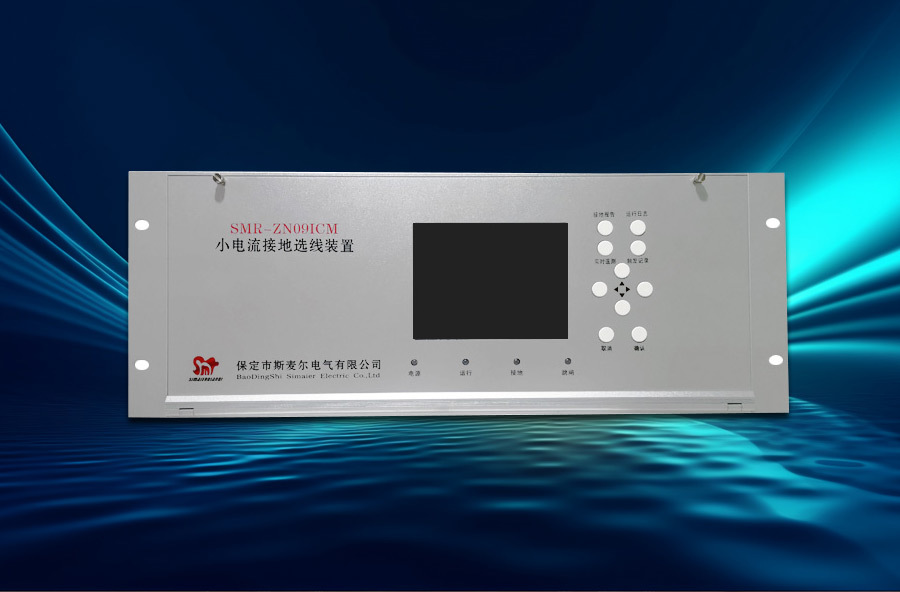
In our daily lives, the safety of the power supply is crucial. A low-current grounding selection device, as the name suggests, is a device used to handle grounding problems in power systems. So, what exactly is it? Simply put, it is a device used to monitor and select grounded fault lines, ensuring the safety and stability of the power system.
The principle of low-current grounding
The principle of the low-current grounding system is based on the transmission characteristics of low current. In this system, the grounding current is usually less than 10mA. This design helps protect equipment and reduce the risk of leakage current. By monitoring changes in the grounding current, the low-current grounding selection device can promptly detect faulty lines and prevent potential electrical accidents.
How does it work?
The low-current grounding selection device mainly works through the following steps:
- Monitoring: The device monitors current changes in real time to identify grounding faults.
- Analysis: After detecting an abnormality, the system analyzes the specific situation of the faulty line.
- Selection: Selects and disconnects the faulty line to protect other normally operating equipment.
It's like a timely "guardian," always ready to deal with any possible power crisis.
Areas of practical application
Low-current grounding selection devices are mainly used in several areas, including:
- Power systems: Ensuring the safety of power supply in power plants, substations, etc.
- Industrial automation: Helping factories achieve intelligent management and prevent equipment damage.
- Construction engineering: Ensuring power safety and protecting the lives of construction personnel in large buildings.
From this perspective, the role of low-current grounding selection devices is not limited to the power field; its applications span various industries, becoming a microcosm of modern technological progress.
Advantages of choosing a low-current grounding selection device
Choosing to use a low-current grounding selection device has several obvious advantages:
- High safety: Low-current design reduces the risk of leakage current.
- Rapid response: Able to respond immediately when a fault occurs.
- Easy maintenance: Fault detection and troubleshooting are relatively easy, reducing maintenance costs.
Therefore, this device is gradually becoming an indispensable part of modern power systems.
Future development trends
With continuous technological advancements, low-current grounding selection devices are constantly evolving. In the future, we can expect further development in intelligence and automation. For example, combined with the Internet of Things technology, remote monitoring and management can be achieved, making the power system safer and more stable.
Conclusion
In general, low-current grounding selection devices are an important guarantee for power system safety. With technological advancements, their applications will become more widespread, and their functions will become more powerful. By understanding this device, we can not only enhance our understanding of power systems but also pay more attention to safe electricity use in our daily lives.
Keyword:
Recent information
The main factors of insufficient selection principle for small current grounding.


Mobile/WeChat


