

Application and Development of Low-Current Grounding Selection Devices in the Power Industry
Release time:
2025-06-10
Explore the latest developments and application prospects of low-current grounding selection devices in the power industry.
Introduction: The New Favorite in the Power Industry
In the power industry, safety is always paramount. With the advancement of technology, low-current grounding fault locators have gradually become a new favorite in the industry. So, what exactly is this device? And what benefits can it bring us? Let's find out!
What is a Low-Current Grounding Fault Locator?
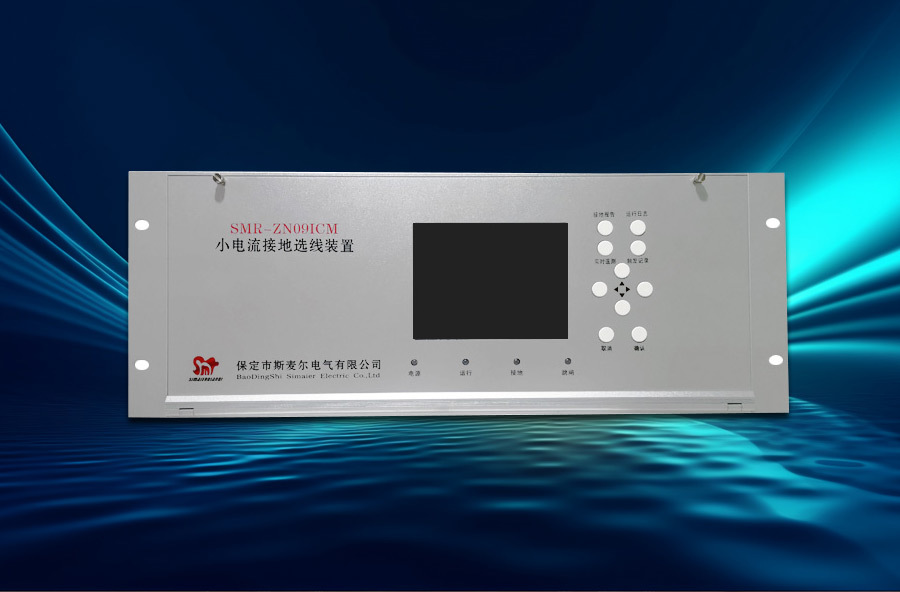
As the name suggests, a low-current grounding fault locator is a device used in low-current grounding systems. Its main function is to quickly and accurately locate faulty lines when a fault occurs, thereby avoiding larger-scale power outages and ensuring the safety and stability of the power system.
Industry Trends: Continuous Technological Improvement
In recent years, with the rapid development of smart grids, low-current grounding fault locators have also been continuously upgraded. The new generation of devices uses more advanced algorithms and intelligent technologies to locate fault points in a very short time, greatly improving maintenance efficiency.
For example: Specific Application Scenarios
Imagine that a power line in a certain community has malfunctioned. Traditional methods of finding the fault might take several hours or even longer. However, with a low-current grounding fault locator, maintenance personnel can quickly find the source of the fault simply by following the system's guidance, saving a lot of manpower and time costs.
Market Prospects: Coexistence of Demand and Challenges
With the increasing demand for electricity, the market demand for low-current grounding fault locators is also rising. According to relevant data, the market size of related equipment is expected to achieve significant growth in the next few years. However, at the same time, the industry is also facing challenges such as technological updates and talent shortages.
Broad Prospects, Unlimited Opportunities
Despite the numerous challenges, the future of low-current grounding fault locators remains promising. Major companies are increasing their R&D investment and are committed to improving the intelligence level of the devices, which undoubtedly injects new vitality into the entire industry.
Summary: The Future of Low-Current Grounding Fault Locators
In summary, the application prospects of low-current grounding fault locators in the power industry are broad. With continuous technological advancements and increasing market demand, this device will safeguard power safety. The future power industry will become safer and more efficient thanks to this technology. Let's wait and see!
Keyword:
Recent information
The main factors of insufficient selection principle for small current grounding.


Mobile/WeChat


