

Explore the application scenarios of low-current grounding selection devices
Release time:
2025-06-24
Gain a deep understanding of the important applications of low-current grounding selection devices in industry and daily life.
Overview of Low-Current Ground Fault Locators
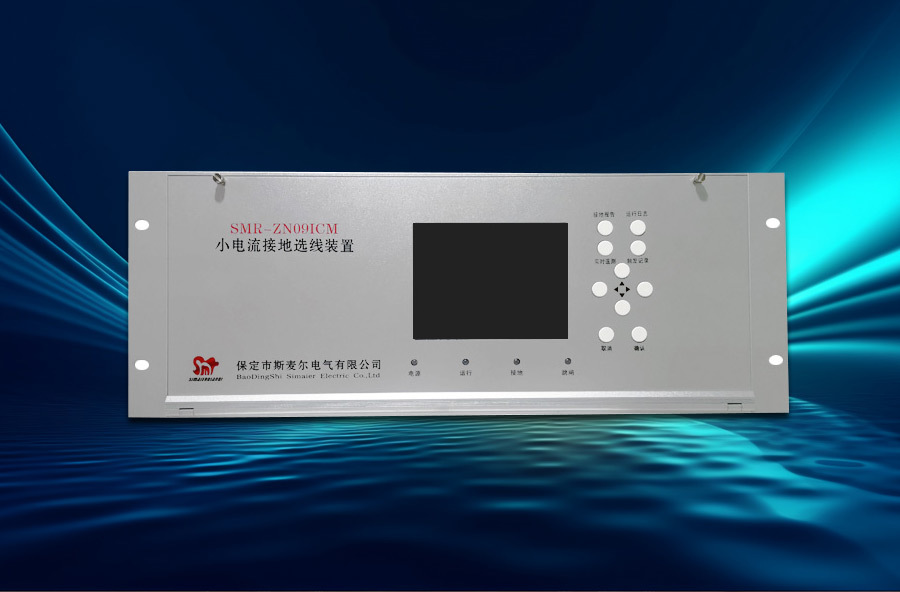
In power systems, low-current ground fault locators are a crucial component for ensuring safe operation. They can effectively identify and indicate ground faults, ensuring that power equipment can quickly take measures to avoid greater losses when problems occur.
Application Scenario 1: Industrial Production Lines
In industrial production, the stability of electrical equipment is critical. Low-current ground fault locators can monitor the grounding status of equipment in real-time, ensuring that problems can be quickly located in the event of a fault. This not only improves production efficiency but also helps to ensure employee safety.
Application Scenario 2: Construction Sites
On construction sites, power systems are often complex. Using low-current ground fault locators can effectively prevent electrical leakage accidents. The safety of workers is paramount during high-altitude operations. Timely detection of ground faults can reduce safety hazards and allow workers to work with greater peace of mind.
Application Scenario 3: Hospitals and Medical Facilities
In hospitals and other medical facilities, the reliability of power supply directly affects the lives of patients. Low-current ground fault locators can help medical institutions ensure the normal operation of equipment and avoid medical accidents caused by power failures, providing patients with a safe treatment environment.
Summary
In summary, low-current ground fault locators play an indispensable role in many industries. They not only improve the safety of power systems but also reduce the risk of accidents to a certain extent. Whether in industrial, construction, or medical fields, mastering and applying the technology of this device will bring us a safer environment.
Keyword:
Recent information
The main factors of insufficient selection principle for small current grounding.


Mobile/WeChat


