

Precautions and practical tips for low-current ground fault selection devices
Release time:
2025-06-30
Explore precautions for using low-current grounding selection devices, understand how to use the device safely and effectively, and ensure the safety of electrical equipment.
Low-current ground fault selection devices are increasingly valued in modern power systems. They not only enhance the safety of power systems but also effectively reduce economic losses from faults. However, there are some precautions to pay special attention to when using this device. Let's explore them together!
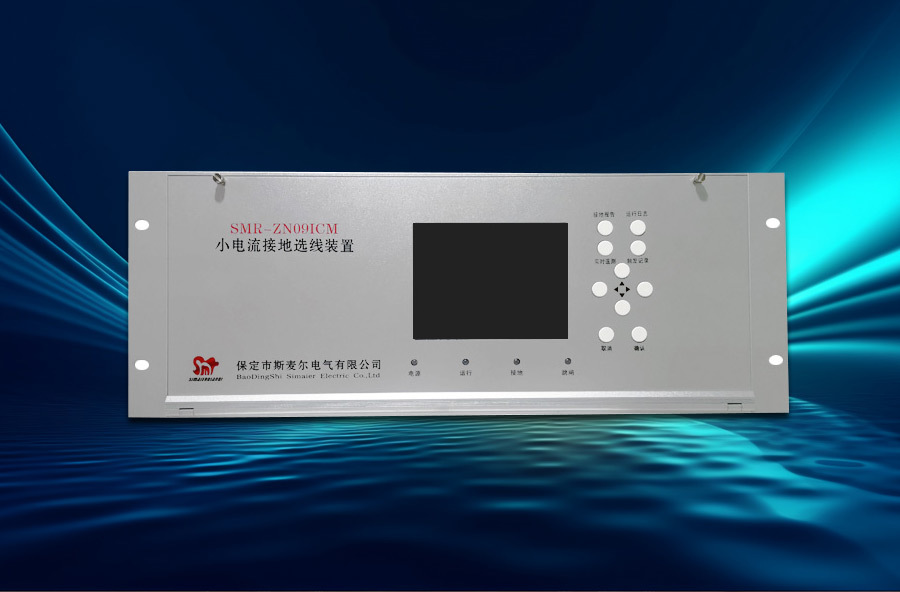
Low-current ground fault selection devices are mainly used to monitor ground faults in power systems. When a ground fault occurs in the system, the device can quickly detect it and give corresponding alarm signals, helping maintenance personnel to handle the problem in time. Its working principle is simply to continuously monitor current changes to determine if a fault exists.
In practical applications, the following points should be noted:
1. Regular Maintenance
Although low-current ground fault selection devices have a simple structure, they may malfunction if not maintained regularly. Therefore, it is recommended to inspect and maintain them periodically to ensure their normal operation. Just like our bodies, regular check-ups keep us healthy!
2. Installation Location
Choosing the right installation location is key to ensuring the device's normal operation. Installing it in a well-ventilated area with a moderate temperature can effectively extend the service life of the equipment. In addition, avoid installing it in humid or corrosive environments, as this will cause unnecessary damage to the equipment.
3. Correct Wiring
The correctness of the wiring directly affects the performance of the low-current ground fault selection device. Carefully check the wiring during installation to ensure there are no errors. Sometimes, details determine success or failure, so don't be careless!
4. Timely Handling of Alarm Signals
Once the device issues an alarm signal, maintenance personnel must respond quickly and investigate the cause of the fault. Do not delay; the sooner it is handled, the smaller the loss. Like a lighter, a small flame needs to be extinguished immediately, otherwise the fire will spread!
Practical Tips for Low-Current Ground Fault Selection Devices
In addition to precautions, mastering some practical tips can also help you better use low-current ground fault selection devices.
1. Data Recording
Regularly recording the device's operating data can help you analyze the operating status of the power system and identify potential problems in a timely manner. In short, data is power; the more you record, the better you can grasp the overall situation!
2. Training Relevant Personnel
Provide regular training for relevant employees to ensure they understand the use and maintenance methods of low-current ground fault selection devices and improve overall safety awareness. This is a good way to improve the team's ability to respond to emergencies!
Low-current ground fault selection devices play a vital role in power systems. Understanding and following the precautions and practical tips during use not only ensures the normal operation of the equipment but also ensures the safe and stable operation of the power system. I hope that everyone will remain vigilant and prioritize safety in practical operations!
Keyword:
Recent information
The main factors of insufficient selection principle for small current grounding.


Mobile/WeChat


