

Troubleshooting common issues with low current ground fault selection devices
Release time:
2025-07-04
This article delves into common issues and solutions for low-current grounding selection devices, helping you better understand equipment operation.
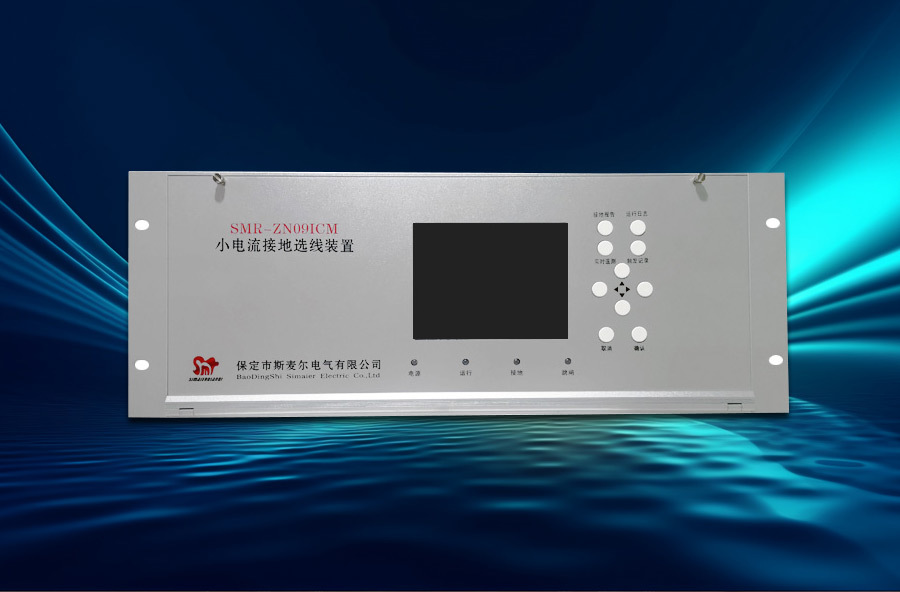
In modern power systems, low-current ground fault protection devices (also known as ground fault protection devices) are an indispensable component. They monitor current flow to ensure the safe operation of equipment. The main function of this device is to improve the stability of the power supply system and protect equipment from fault currents through low-current ground fault protection.
1. How does a low-current ground fault protection device work?
Simply put, a low-current ground fault protection device detects the presence of a ground fault by detecting unbalanced current. When equipment malfunctions, the device reacts quickly and cuts off the power supply to avoid greater losses. In this way, the safety of the equipment is ensured.
2. What are the common faults?
Common faults mainly include: malfunction, delayed action, and signal distortion. For example, improper device settings may cause malfunctions, resulting in unnecessary power outages. Signal distortion may affect the rapid location of faults.
3. How to avoid these faults?
First, regular maintenance is key. It is recommended to inspect and calibrate the low-current ground fault protection device at intervals. In addition, reasonable parameter settings are essential to ensure that the device operates in optimal condition.
Device maintenance tips
Maintaining a low-current ground fault protection device is not complicated, and there are a few tips to help you better manage your equipment.
1. Regular inspection
Conduct a comprehensive inspection monthly to ensure that all connections are secure and the equipment is undamaged.
2. Data recording
Establish a data recording system to record the results of each inspection, which can help you identify potential problems.
3. Personnel training
Ensure that all operators are trained and understand the basic principles and operation procedures of the low-current ground fault protection device.
The future of low-current ground fault protection devices
With the development of technology, low-current ground fault protection devices are also constantly improving. The new generation of equipment not only has higher sensitivity but also integrates more intelligent functions. In the future, the equipment will be able to monitor and automatically adjust parameters in real time to cope with complex power environments.
In summary, low-current ground fault protection devices play a vital role in power systems. By understanding common problems and their solutions, you can better manage and maintain these devices. I hope this article provides you with valuable information to help you succeed in power management.
Keyword:
Recent information
The main factors of insufficient selection principle for small current grounding.


Mobile/WeChat


