

In-depth discussion of the working principle of low-current grounding selection device
Release time:
2025-07-09
Understand the working principle of low-current grounding selection device and its application in electrical systems.
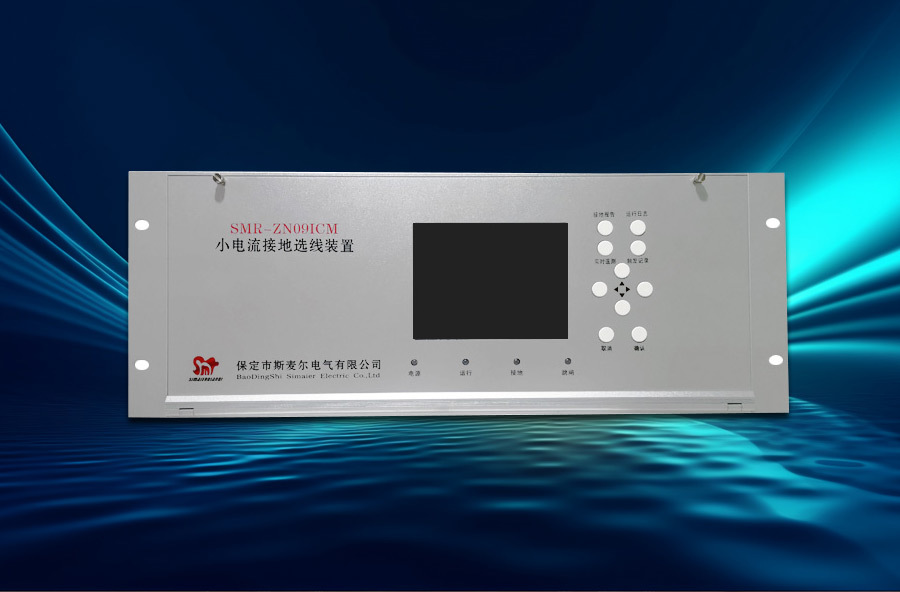
In modern power systems, low-current ground fault locators are indispensable. Their presence not only enhances the safety of the power system but also effectively prevents equipment damage. How exactly do they work? Let's delve deeper.
Low-current ground fault locators typically consist of current transformers, grounding resistors, and controllers. Simply put, their operating principle is to determine the faulty line by measuring the ground current. This method is not only efficient but also enables real-time monitoring, significantly improving the reliability of the power system.
Key Steps in Fault Detection
First, when a fault occurs on a line in the power system, the ground current will increase abnormally. The low-current ground fault locator will quickly capture this change and analyze it through the controller. Then, based on the set threshold, the controller automatically selects the faulty line and issues an alert. This process is incredibly fast!
Advantages and Applications of the Equipment
Speaking of the advantages of low-current ground fault locators, there are countless benefits. First, it can effectively prevent ground fault accidents, protecting personnel and equipment safety. Second, the equipment has a compact structure, is easy to install, and has low maintenance costs, making it appealing. In addition, it is suitable for various high-voltage power systems, including power plants and substations.
Practical Application Examples
For example, a large power plant uses a low-current ground fault locator. Through real-time monitoring, the equipment can promptly detect and locate faulty lines, ensuring a stable power supply. This efficiency is truly commendable!
Future Development Trends
With continuous technological advancements, low-current ground fault locators are constantly being upgraded. Future devices will be more intelligent, capable of integrating with IoT technology to achieve remote monitoring and data analysis. This will not only improve fault response speed but also provide stronger protection for the safe operation of the power system.
In summary, low-current ground fault locators play a vital role in power systems. While their operating principle seems simple, they contain advanced technology. With technological development, we have reason to believe that this equipment will play an even more important role in future power systems.
Keyword:
Recent information
The main factors of insufficient selection principle for small current grounding.


Mobile/WeChat


