

Exploring the mysteries and applications of low-current grounding selection devices
Release time:
2025-07-10
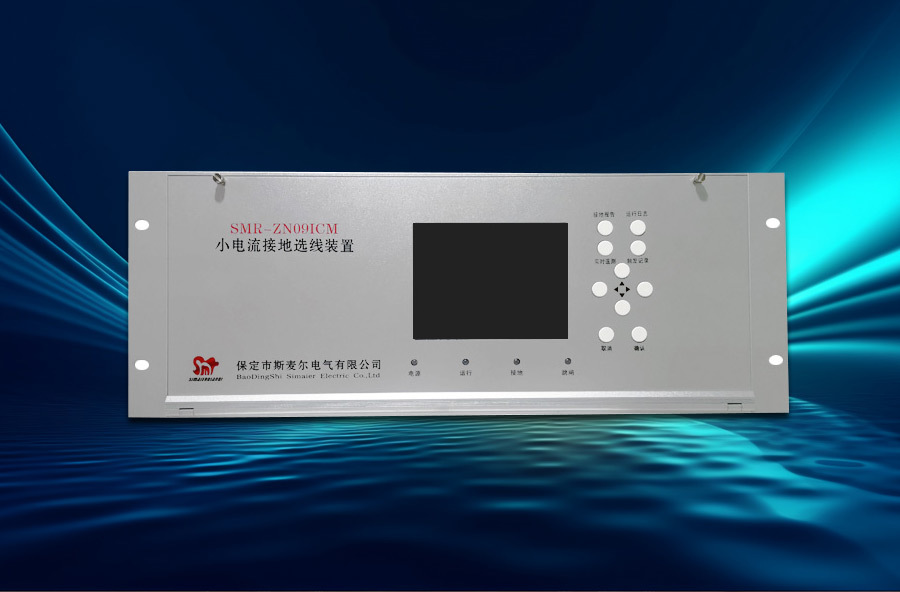
Gain a deep understanding of the working principle, application scenarios, and importance of low-current grounding selection devices.
In modern power systems, low-current grounding selection devices play an indispensable role. Its main function is to monitor ground current, helping us quickly locate faulty lines and ensure the safety and stability of the power system. Did you know? The safety of the power system directly affects our production and life, so understanding the working principle of this device is crucial.
The working principle of the low-current grounding selection device is relatively simple, yet extremely effective. It detects changes in the system's ground current to determine the fault point. For example, when a ground fault occurs on a line, the device will respond quickly, issue an alarm, and help maintenance personnel handle it in time. This real-time monitoring function can greatly shorten the fault-clearing time and avoid economic losses caused by power outages.
Low-current grounding selection devices have a wide range of applications, especially in important industrial sites such as power plants, mines, and large manufacturing enterprises. The power systems here are complex and changeable, and once a fault occurs, the impact is far-reaching. Therefore, the use of low-current grounding selection devices is particularly important.
Advantages in the Power Industry
In the power industry, low-current grounding selection devices have the following major advantages:
- Real-time monitoring, quick fault location.
- Improve system reliability and reduce downtime.
- Convenient maintenance, reducing the workload of manual inspections.
How to Choose the Right Device
When choosing a suitable low-current grounding selection device, we need to consider several factors:
- System type: Different power systems have different requirements for the device.
- Sensitivity: The higher the sensitivity, the more timely the fault detection.
- Installation and maintenance: Devices that are easy to install and maintain are more favored.
Of course, the actual usage environment should also be considered when choosing to ensure that the device's performance meets the requirements.
With the development of technology, low-current grounding selection devices are also constantly improving. In the future, these devices may incorporate artificial intelligence and big data analysis to provide more intelligent fault detection and location services. Imagine that when a fault occurs, the device can not only quickly locate it but also automatically analyze the cause of the fault and provide processing suggestions. This will undoubtedly greatly improve the operating efficiency of the power system.
In short, low-current grounding selection devices play an important role in power systems. Whether in fault detection, system maintenance, or future development trends, it will continue to lead innovation and progress in the power industry. I hope this article will give everyone a deeper understanding of this device, so that it can be better applied to practical work and ensure the safe and stable operation of the power system.
Keyword:
Recent information
The main factors of insufficient selection principle for small current grounding.


Mobile/WeChat


