

Electrical power quality monitoring can ensure the stability of electricity.
Release time:
2025-10-27
Delve into the importance of power quality monitoring and its impact on modern power systems.
In modern society, electricity has become the lifeblood of our daily lives. Whether it's the household electricity we use every day or the power demands of industrial production, the quality of electrical energy directly affects the operational efficiency and longevity of equipment. Here, Electrical Power Quality Monitoring Its importance goes without saying.
Power quality refers to whether the various electrical parameters in a power system meet the specified standards, primarily including factors such as voltage, frequency, harmonics, and flicker. Imagine this: if the voltage becomes unstable, household appliances could be damaged—or even fail altogether. That’s why monitoring these indicators is especially crucial.
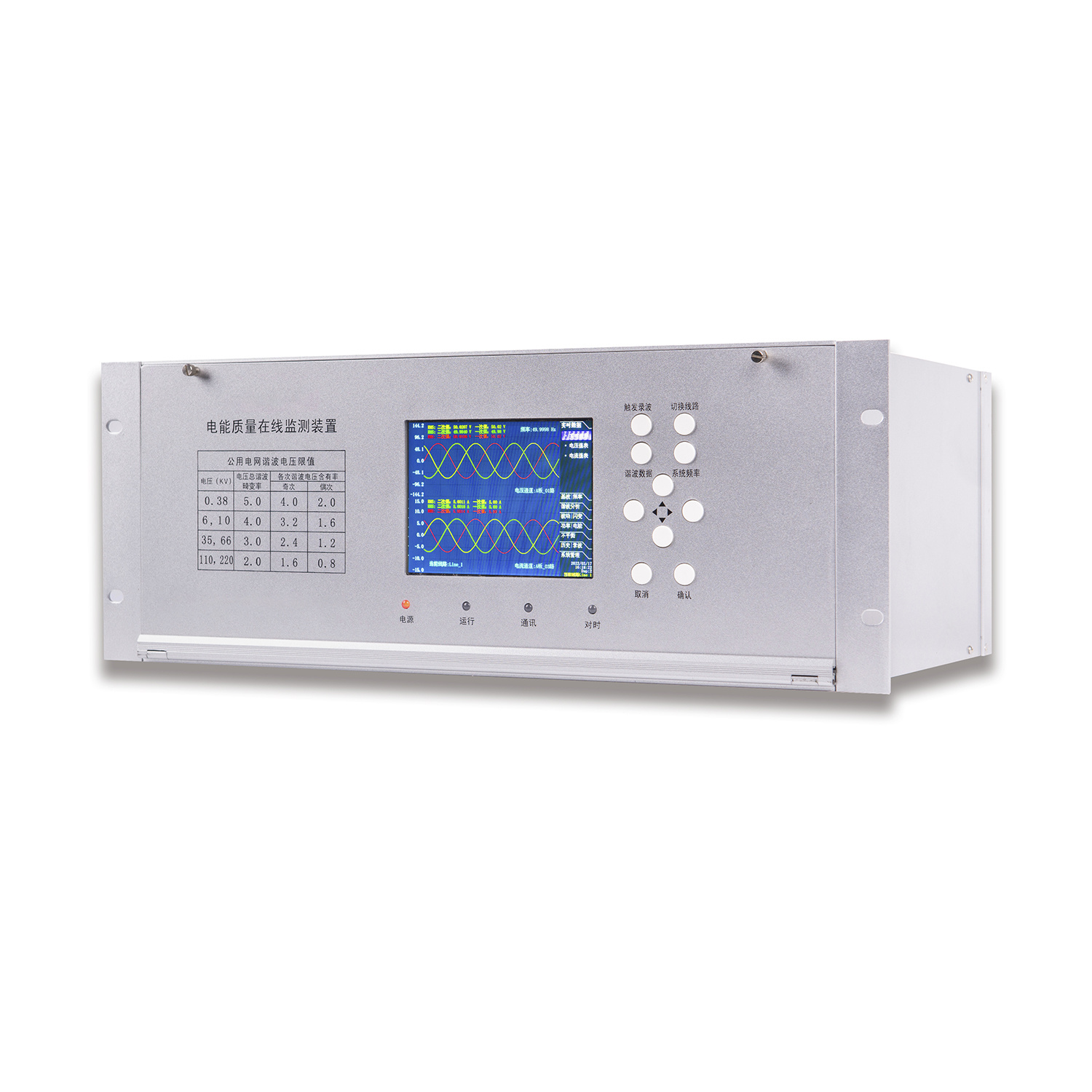
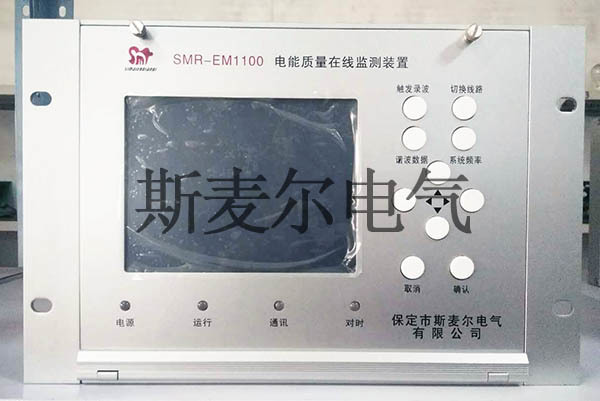
Today, power quality monitoring has incorporated a variety of high-tech tools. For instance, by using online power quality monitoring devices, users can obtain real-time data on power quality. This data is then analyzed in the cloud, generating intuitive reports that help users promptly identify issues and take appropriate action.
Poor power quality can lead to a variety of issues, starting with equipment damage. For instance, voltage fluctuations can cause motors to overheat, significantly reducing their lifespan. Moreover, poor power quality may also trigger potential hazards—or even result in serious consequences like fires. Therefore, it's crucial to address this promptly. Electrical Power Quality Monitoring , which can effectively avoid these risks.
To conduct effective power quality monitoring, you can start with the following steps: First, choose appropriate monitoring equipment to ensure its measurement accuracy and stability; second, regularly analyze the data to promptly identify any fluctuations in power quality; and finally, implement corresponding improvement measures to maintain the stability of the power system.
Keyword:
Recent information
The main factors of insufficient selection principle for small current grounding.


Mobile/WeChat


