

Frequently Asked Questions on Power Quality Monitoring
Release time:
2025-11-19
Delve into common issues in power quality monitoring to help you better understand power quality.
In today’s era of rapid information technology development, power quality monitoring has become an indispensable part of power systems. The quality of power supply directly affects our daily lives and industrial production; therefore, it is particularly important to understand the common issues in power quality monitoring.
Power quality monitoring primarily involves real-time monitoring of parameters such as voltage, current, and frequency in power systems to ensure the stability and reliability of the power supply. Simply put, it’s about making sure our electricity service doesn’t “let us down.”
Frequently Asked Question 1: What equipment is needed for power quality monitoring?
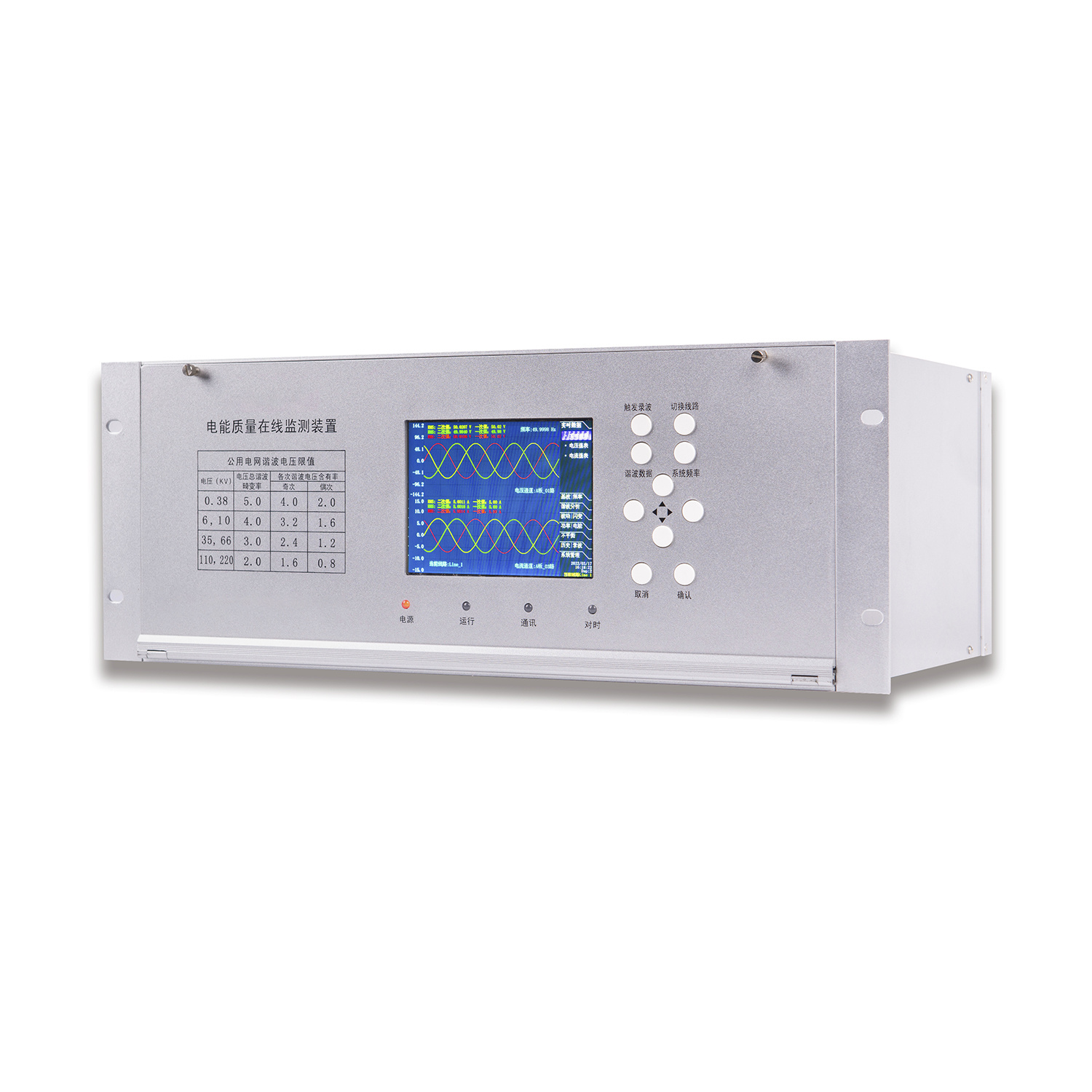
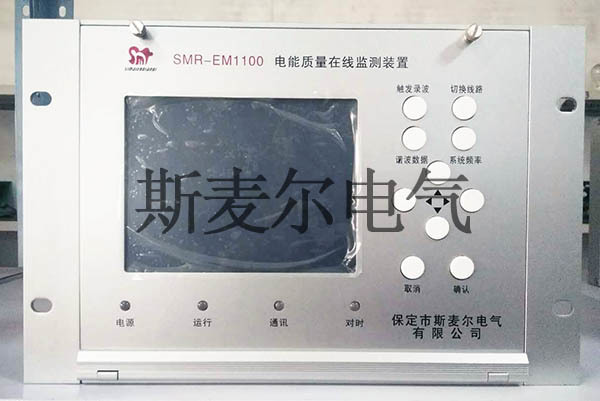
Wow, this is really not a simple question. Generally speaking, power quality monitoring requires specialized monitoring equipment, such as online power quality monitors. These devices can capture electrical parameters in real time and upload the data to a monitoring system, allowing us to grasp the situation at a glance.
Frequently Asked Question 2: What are the standards for power quality monitoring?
Standards for power quality monitoring are typically established by the International Electrotechnical Commission (IEC). IEC 61000-4-30 is a highly important standard that covers various methods for measuring power quality. Adhering to these standards ensures that our power systems comply with international norms.
Frequently Asked Question 3: What are the benefits of power quality monitoring?
The benefits of power quality monitoring could be described as “numerous and countless”! First, it can effectively reduce equipment failures and extend the service life of devices. Second, the monitoring data can help us analyze electricity consumption and optimize power usage efficiency. Finally, it also helps meet regulatory requirements for power quality, thereby avoiding fines caused by power quality issues.
Frequently Asked Question 4: What are some common power quality issues?
Power quality issues generally fall into several common categories: voltage fluctuations, harmonics, frequency deviations, and transient overvoltages. Each type of issue has different effects; sometimes, they can even lead to equipment damage or even production shutdowns.
Frequently Asked Question 5: How do I perform power quality monitoring?
Conducting power quality monitoring isn't complicated. First, we need to select suitable monitoring equipment; then, follow the equipment’s instruction manual to install and debug it; finally, regularly review the monitoring data and analyze trends in power quality changes. In this way, any power quality issues can be promptly detected and addressed!
Keyword:
Recent information
The main factors of insufficient selection principle for small current grounding.


Mobile/WeChat


