

Precautions for Using Power Quality Monitoring Equipment
Release time:
2025-11-24
Explore the importance of power quality monitoring and its key considerations to ensure the stability and safety of power systems.
In modern society, power quality monitoring has become particularly important. Whether in businesses or households, the stability of the power supply directly affects the operation of equipment and the convenience of daily life.
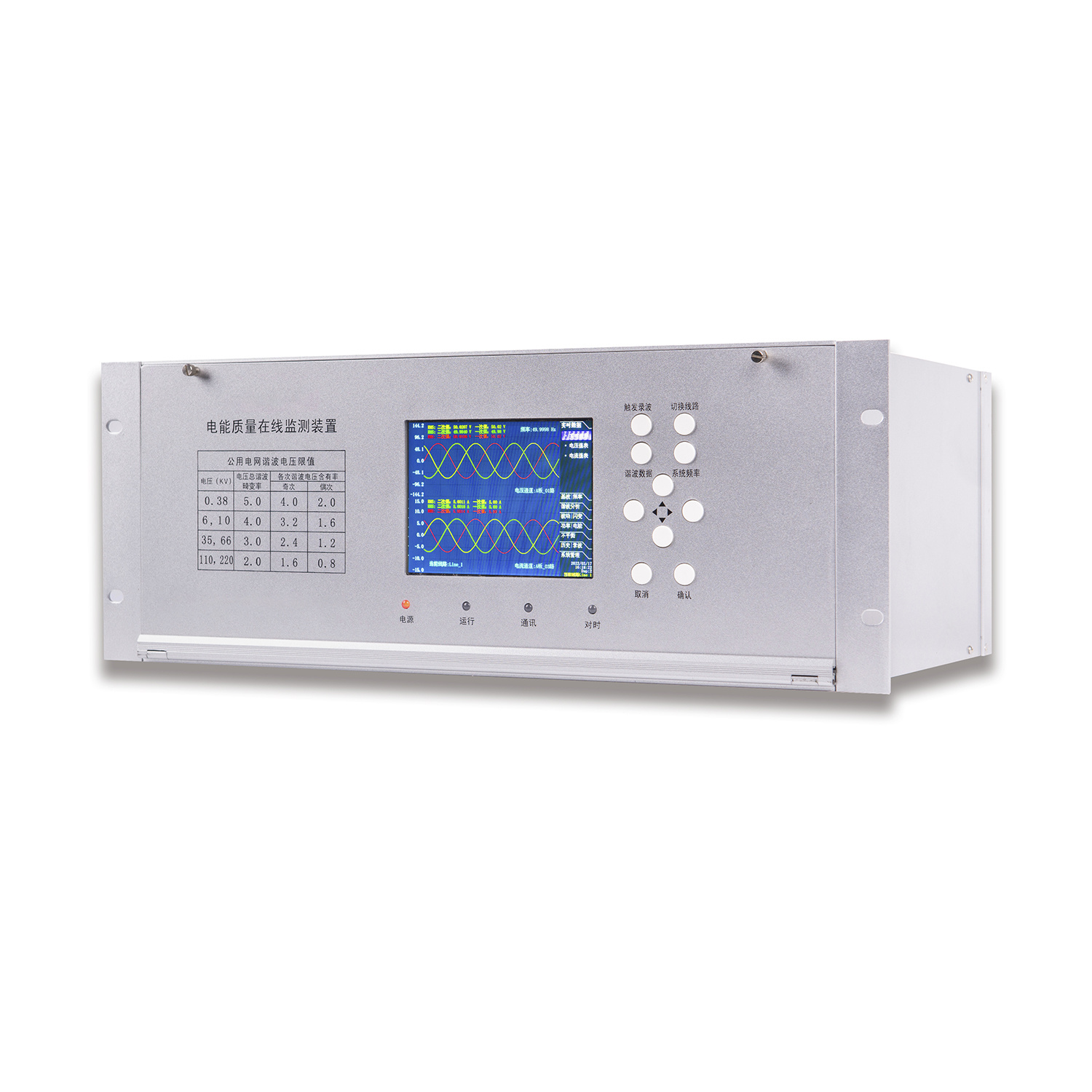
Power quality monitoring refers to the real-time monitoring and analysis of parameters such as voltage, current, and frequency in a power system. It helps identify problems within the power system, such as harmonics and transient fluctuations, thereby ensuring a stable power supply.
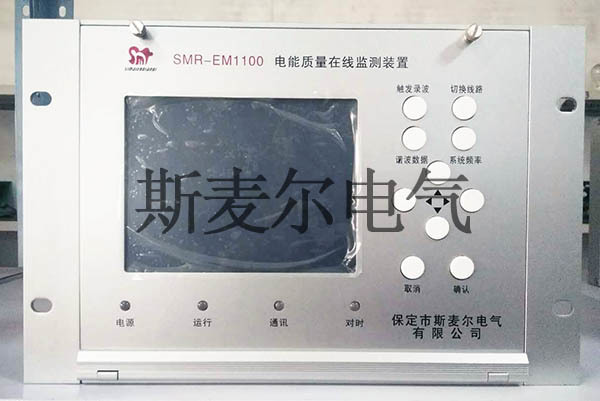
Choosing high-quality monitoring equipment is crucial. For example, some devices may be suitable only for specific voltage ranges, while others offer broader compatibility. Therefore, when making a purchase, you should carefully examine the device’s specifications.
Regularly maintain and calibrate monitoring equipment to ensure its proper functioning. Over time, equipment may develop errors that could affect the accuracy of monitoring results.
Analyzing monitoring data is equally important. Regularly generating monitoring reports can help managers promptly identify potential issues and take appropriate measures. Remember: data is not the goal itself—it’s merely a tool for improving power quality!
It is crucial to provide training to relevant personnel to enhance their awareness and skills in power quality monitoring. Only when everyone recognizes the importance of power quality can we foster a positive monitoring environment.
Power quality monitoring is not just a technical issue—it’s also a matter of management and awareness. By adopting appropriate monitoring equipment, conducting regular maintenance, analyzing data, and providing training, we can effectively enhance the stability of our power systems. Remember: power quality monitoring is the responsibility and mission of each and every one of us!
Keyword:
Recent information
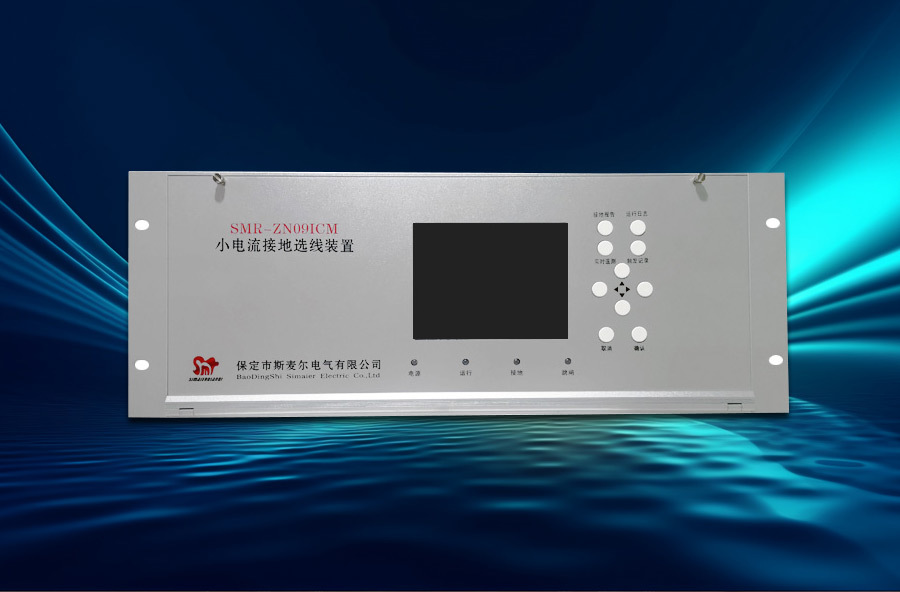
The main factors of insufficient selection principle for small current grounding.


Mobile/WeChat


