

Why is power quality monitoring so important?
Release time:
2025-11-24
Explore the application scenarios and importance of power quality monitoring across various industries.
In modern society, power quality monitoring has become an indispensable topic. As technology continues to advance, the complexity of power systems is steadily increasing, making it all the more crucial to ensure the stability of power quality. So, in what specific application scenarios does power quality monitoring play a key role?
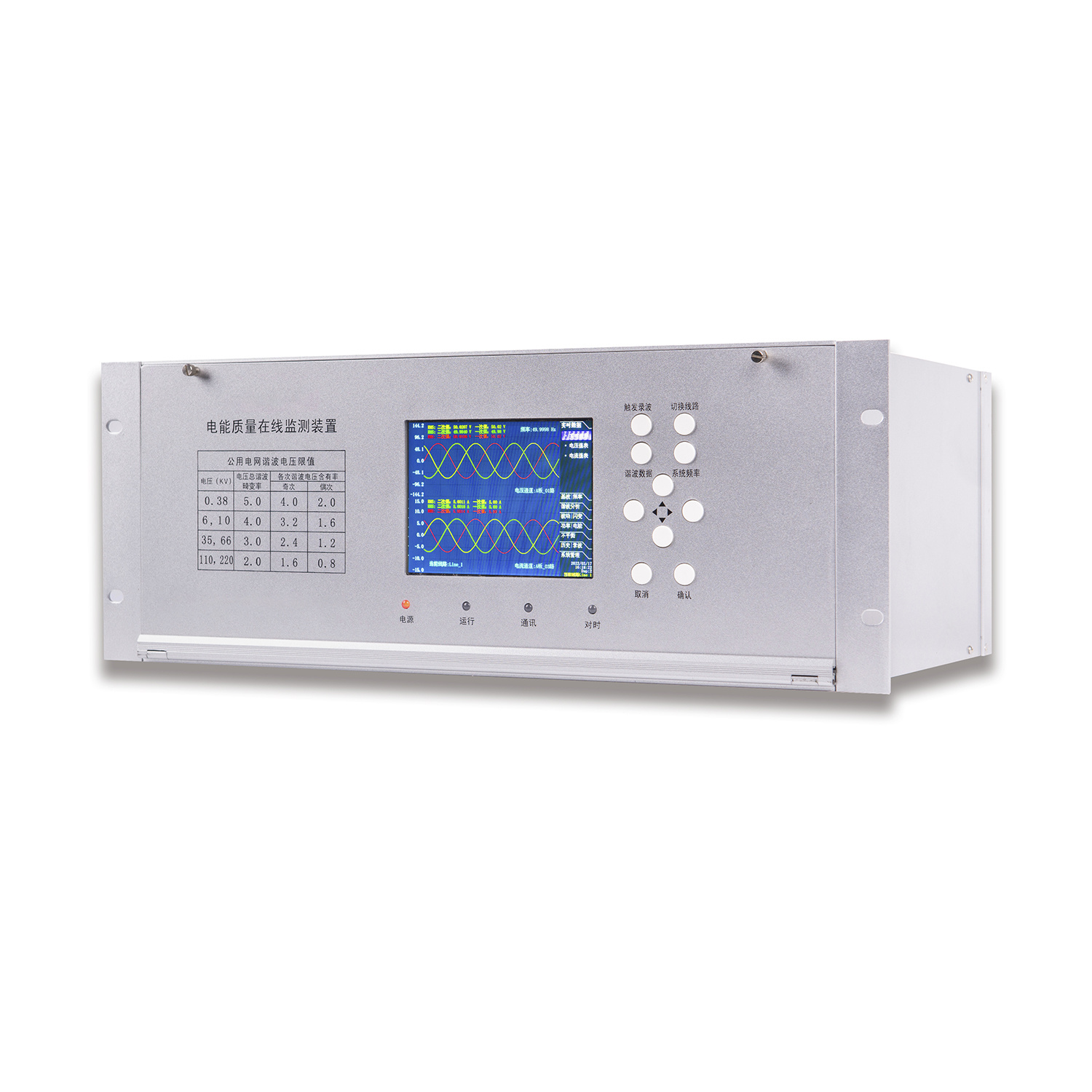
Power quality monitoring, as the name suggests, is the process of real-time monitoring and analysis of power quality in an electrical system. It involves not only the stability of voltage and current but also a variety of other factors such as harmonics, frequency, and flicker. These factors directly affect the operational efficiency of electrical equipment.
In the industrial sector, the application of power quality monitoring is both extensive and profound. For example, in large-scale manufacturing, the smooth operation of machinery depends crucially on a stable power supply. If there are issues with power quality, it could lead to equipment failures, resulting in production delays and substantial economic losses. Therefore, many companies have installed power quality monitoring devices to detect problems promptly and take appropriate measures.
The rise of smart factories has further provided a new platform for power quality monitoring. In these factories, automated equipment and robots are interconnected and continuously exchange data. To ensure the safe operation of equipment, power quality monitoring systems can provide real-time feedback on electricity usage, helping managers optimize energy consumption.
In commercial buildings, power quality monitoring is equally crucial. Shopping malls, office buildings, and other such venues require substantial amounts of electricity to sustain daily operations. Power quality monitoring enables building managers to identify peak periods of electricity usage, thereby optimizing power supply and reducing operational costs. More importantly, it can effectively prevent electrical accidents, ensuring the safety of both customers and employees.
As renewable energy sources—such as solar and wind power—are gradually becoming mainstream, power quality monitoring is also facing new challenges. Due to the volatility of renewable energy sources, power quality monitoring has become increasingly important. By conducting real-time monitoring, it is possible to promptly adjust power output, ensuring grid stability and preventing power shortages caused by power quality issues.
Power companies play a crucial role in power quality monitoring. Through centralized monitoring systems, power companies can keep track of power quality across the entire grid, promptly identifying and addressing any issues. This not only enhances the management efficiency of power companies but also provides users with a higher-quality electricity experience.
Keyword:
Recent information
The main factors of insufficient selection principle for small current grounding.


Mobile/WeChat


