

The online power quality monitoring system enhances the reliability of the power system.
Release time:
2025-11-26
Explore the advantages and applications of online power quality monitoring systems to enhance the reliability and efficiency of power systems.
In modern society, electricity is virtually ubiquitous. We rely on electrical power to operate a wide variety of devices; however, the quality of electrical power is often overlooked. The quality of electrical power directly affects the performance and operation of these devices.
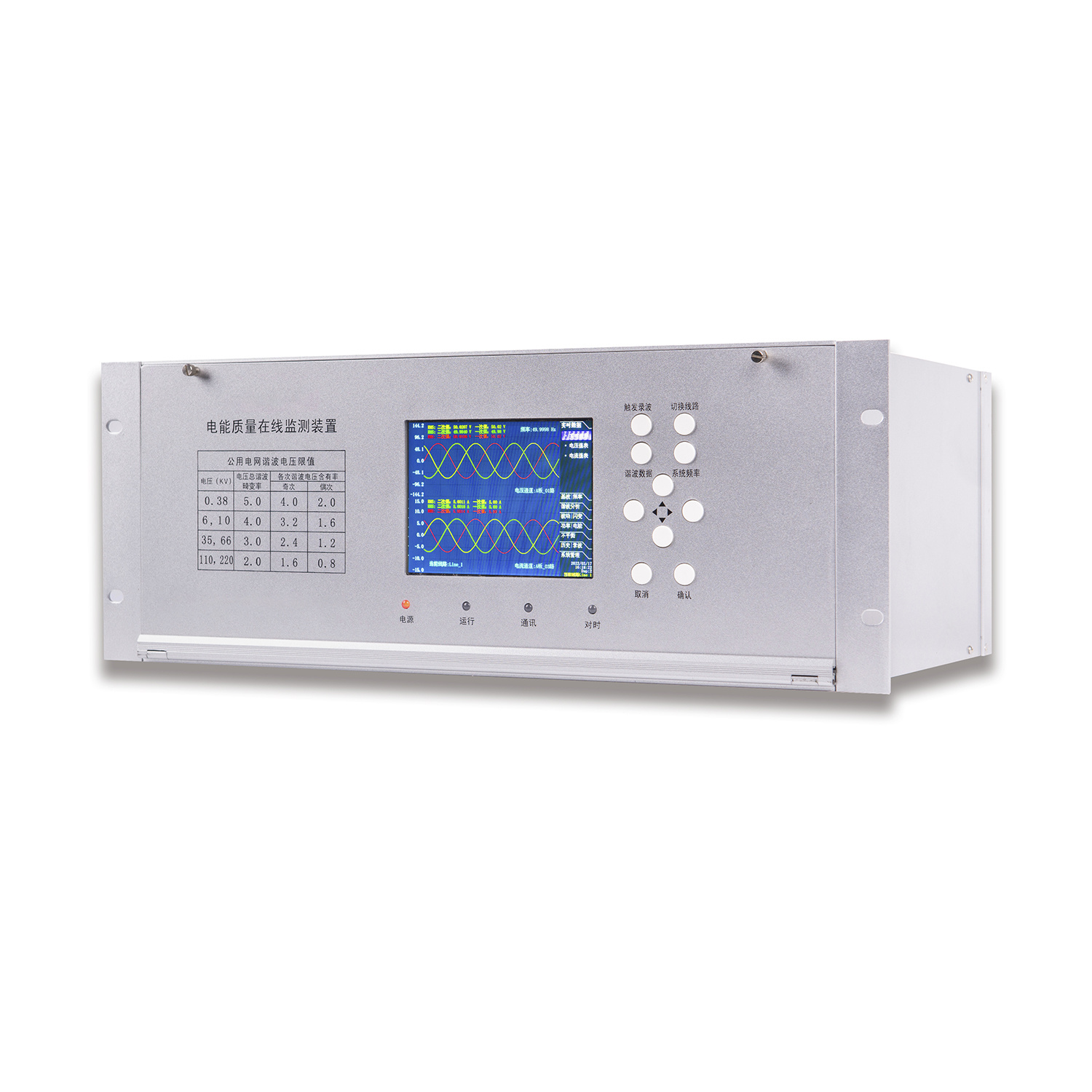
As its name suggests, an online power quality monitoring system is a tool that monitors the power quality in an electrical system in real time. By using sensors and data acquisition systems, it continuously collects parameters such as current, voltage, and frequency, enabling managers to promptly identify problems and take effective measures.
So, why exactly is power quality so important? First, good power quality can enhance the operational efficiency of equipment and extend its service life. Second, it can reduce the failure rate of the system, minimize power outages, and lower maintenance costs. These advantages are nothing short of a “lifesaver” for the power industry.
Common power quality issues
- Voltage fluctuations: Unstable voltage can cause equipment damage.
- Harmonic interference: Harmonics can affect equipment performance and even cause malfunctions.
- Frequency deviation: Unstable frequency directly affects the reliability of the power supply.
The operating principle of an online power quality monitoring system is actually quite simple. It collects real-time power data by means of various sensors installed throughout the power system. After being processed, this data is transmitted to a monitoring platform for analysis by operators. Pretty convenient, isn't it?
Keyword:
Recent information
The main factors of insufficient selection principle for small current grounding.


Mobile/WeChat


