

Industry Solutions for Enhancing Power Quality: An In-Depth Exploration of Online Power Quality Monitoring Systems
Release time:
2025-11-26
Through the online power quality monitoring system, learn how to improve power quality and ensure the stability and safety of the power industry.
In modern society, electricity has become an indispensable part of our daily lives. Yet, have you ever considered just how much impact power quality actually has on our everyday routines and industrial production? The quality of electrical power directly affects the operational efficiency and service life of equipment. As a result, online power quality monitoring systems have emerged, becoming powerful tools for ensuring stability in the power industry.
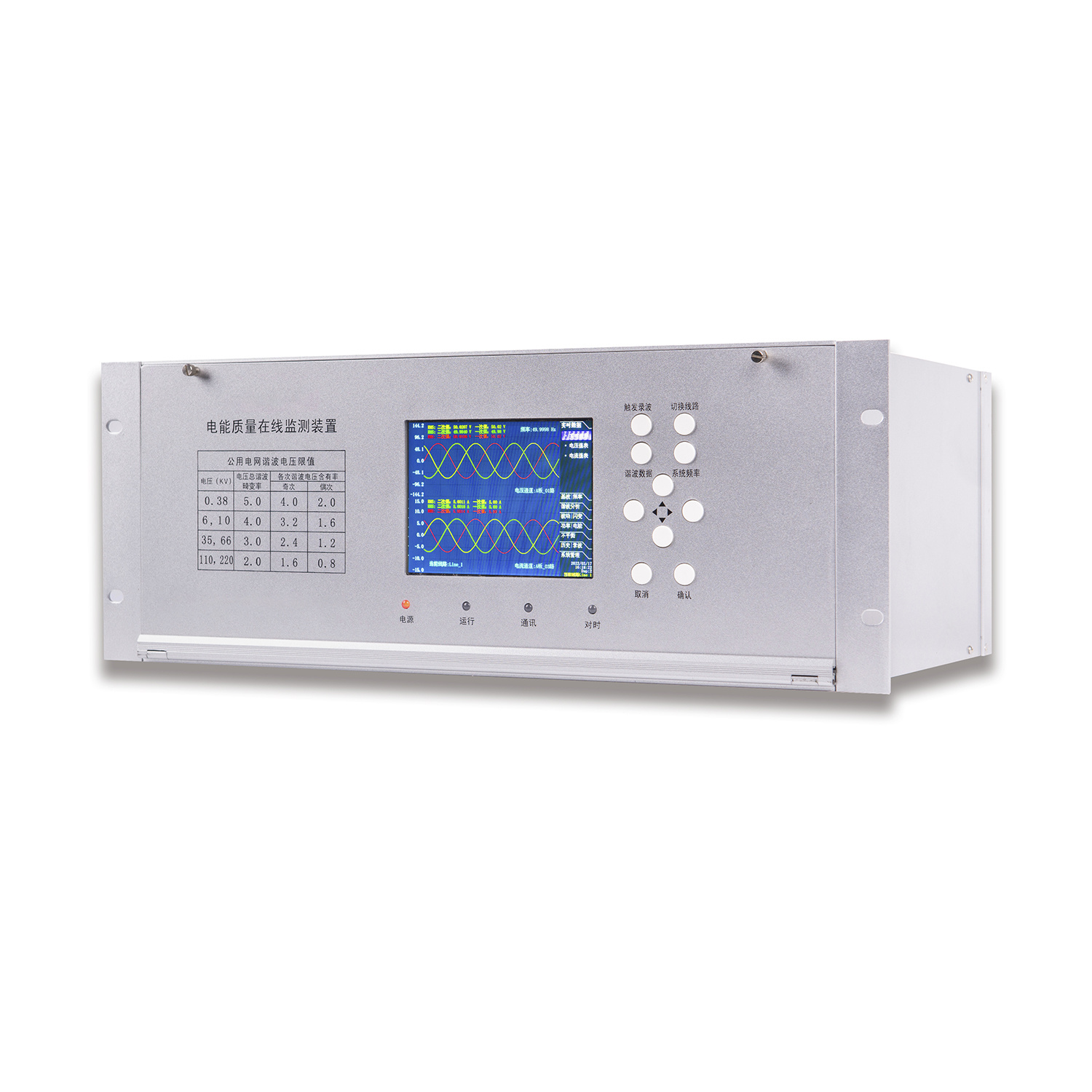
Simply put, an online power quality monitoring system is a tool that monitors power quality in real time. It enables us to promptly detect various issues in the power system, such as voltage fluctuations, frequency instability, and harmonic interference. If these problems are left unaddressed, they could lead to equipment failures and even pose greater safety risks.
The online power quality monitoring system collects real-time power data through installed sensors. This data is transmitted to a central processing unit for analysis, which generates detailed reports and early warning alerts. By analyzing this data, power companies can promptly take corrective measures to ensure that power quality meets the required standards.
The application scenarios of online power quality monitoring systems are extremely broad, covering all stages from power generation and transmission to distribution and consumption. For example, in power plants, the monitoring system can help promptly detect equipment failures and prevent losses due to unplanned outages. In distribution networks, it can monitor power quality in various regions and optimize grid operations.
Keyword:
Recent information
The main factors of insufficient selection principle for small current grounding.


Mobile/WeChat


