

Power Quality Online Monitoring System: Injecting New Vitality into the Industry
Release time:
2025-12-02
Explore the importance of online power quality monitoring systems in industry dynamics and their future development potential.
In this era of rapid technological advancement, the importance of power quality is becoming increasingly evident. As various industries ramp up their demand for electricity, effectively monitoring and maintaining power quality has emerged as an urgent issue that needs to be addressed. The online power quality monitoring system has thus come into being—providing not only enhanced stability for power systems but also opening up new opportunities for a wide range of industries.
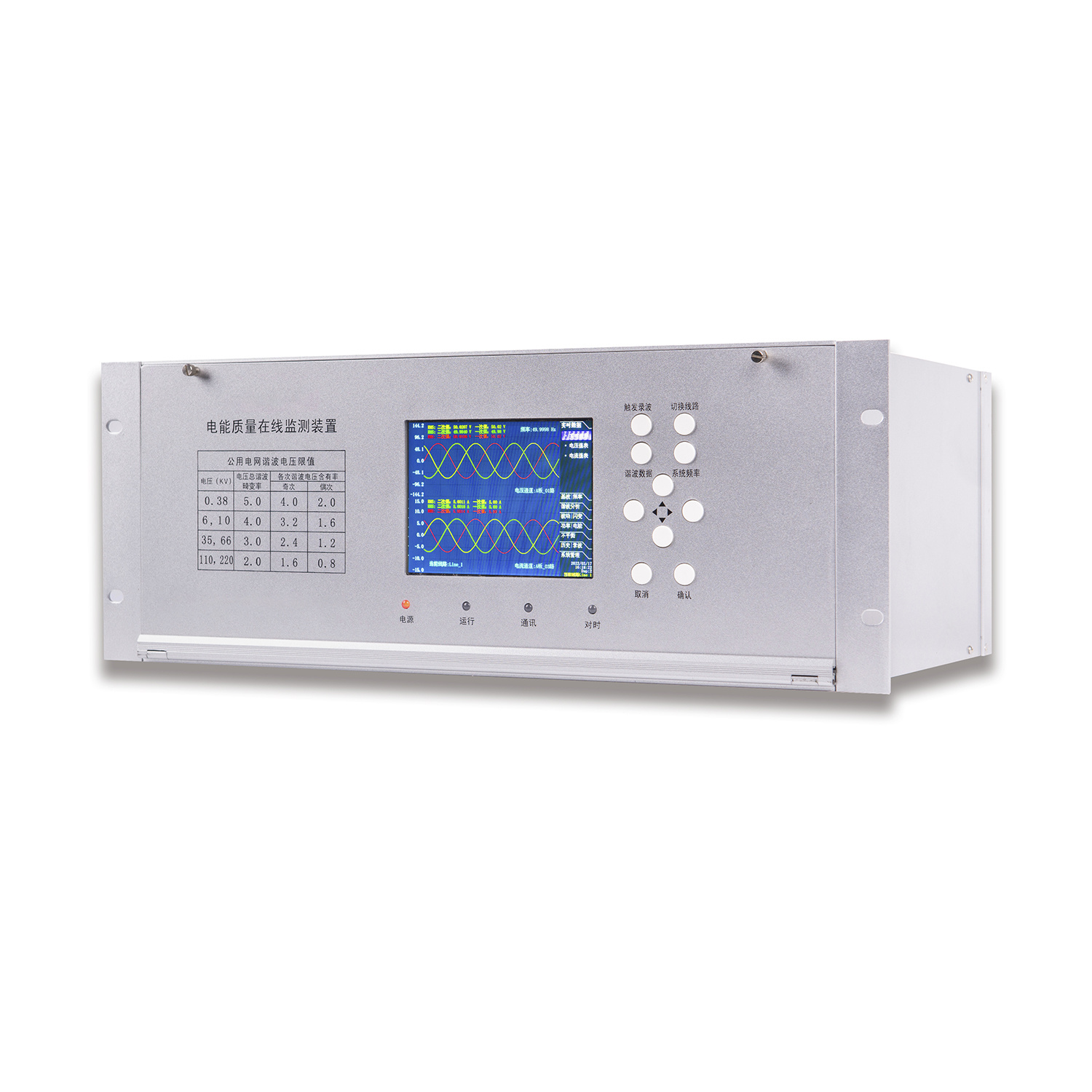
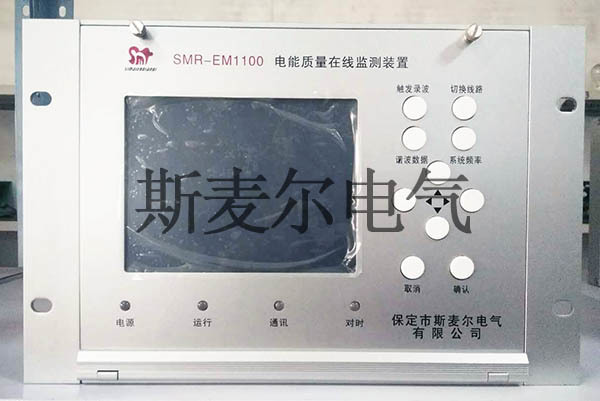
Simply put, an online power quality monitoring system is a device that continuously monitors parameters such as voltage, current, and frequency in a power system in real time. By analyzing this data, the system can promptly detect power quality issues—such as harmonics and flicker—and thereby provide power users with accurate power quality analysis.
Power quality not only affects the performance of equipment but also impacts the operation of the entire power system. Just imagine: if a critical piece of industrial equipment frequently shuts down due to substandard power quality, the resulting losses would be substantial. Therefore, implementing an online power-quality monitoring system is not only a smart choice for businesses to save costs—it’s also an essential requirement for their long-term development.
In recent years, the application of online power quality monitoring systems has been steadily increasing across various industries. Whether in manufacturing, the service sector, or the emerging renewable energy field, these monitoring systems have played an indispensable role. For example, in wind power generation, power quality monitoring ensures the stable operation of wind turbines and helps prevent equipment damage caused by power fluctuations.
Keyword:
Recent information
The main factors of insufficient selection principle for small current grounding.


Mobile/WeChat


